
How Does a Current Transformer Work?
At its core, a CT consists of a magnetic core, primary winding, and secondary winding.The primary winding carries the actual high current running in the power line.The secondary winding produces a much smaller, standardized current that is proportional to the primary current.
This ratio is clearly marked on the CT, such as 100/5A, 200/1A, or 600/5A……, meaning the high current is safely reduced to a low, manageable level for meters, relays, and monitoring devices.
Current transformers must never have their secondary circuit open while in operation.An open secondary will generate extremely high voltage, which is extremely dangerous and can damage equipment or cause safety hazards.
Classification of Current Transformers
1. By System Voltage
Voltage ratings align with regional power networks (common in GCC, Egypt, and Saudi Arabia):
- Low Voltage (LV) CTs: ≤1kV — Used in building wiring, distribution boards, and small industrial panels.
- Medium Voltage (MV) CTs: 3.3kV, 6.6kV, 11kV, 22kV, 33kV — Most common in Middle East utilities, RMU switchgear, and substations.
- High Voltage (HV) CTs: 66kV, 132kV, 220kV — For transmission grids, large power plants, and outdoor substations.
- Extra High Voltage (EHV) CTs: 400kV+ — For national grid interconnections in Saudi Arabia, UAE, and Qatar.
2. By Conductor Installation
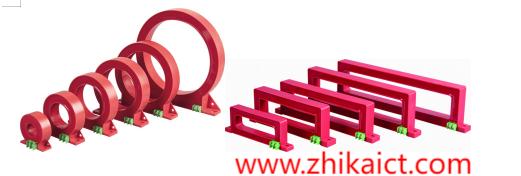
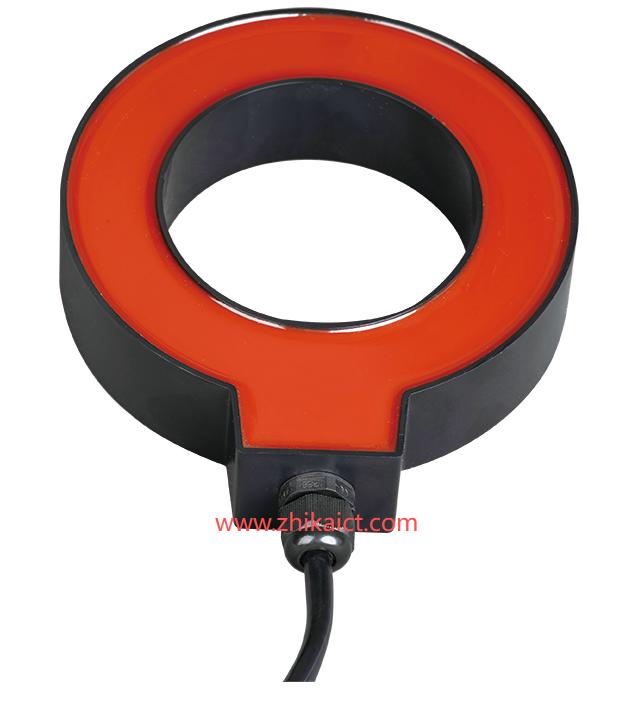
Solid Core CT (Closed Core):
This type has a fixed, closed core. It requires the cable or copper busbar to pass through the center of the CT during installation. It is widely used for permanent, fixed installations in switchgear and distribution boards.
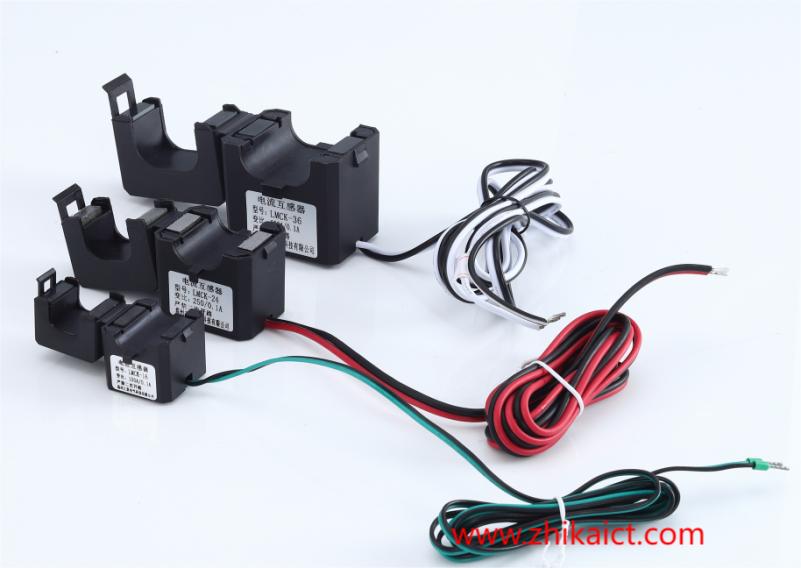
Split Core CT (Clamp-On):
Core opens for easy installation without disconnecting cables; widely used in retrofits and field maintenance .
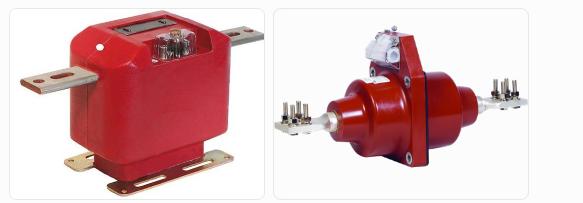
Bar-Type CT:
Primary is a solid copper bar; common in switchgear.
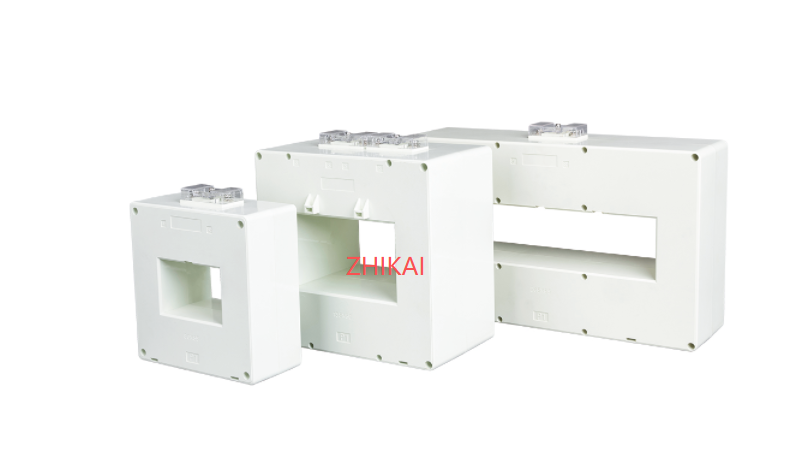
Busbar CT: Fits directly over busbars in distribution panels.
3. By Application & Purpose (Protection vs Measurement)
Measuring CT (Metering CT)
- High accuracy: 1, 0.2, 0.2S, 0.5S,0.5,1.0 class
- For energy meters, billing, power monitoring, and load surveys
- Critical for utility revenue metering in the GCC and MENA regions
Protection CT
- 5P, 10P, PXclass; high saturation withstand (ALF)
- Detects short circuits, overloads, and faults; triggers relays/circuit breakers
- Essential for grid safety in oil refineries, desalination plants, and industrial zones
4. By Environmental Usage (Indoor vs Outdoor)
Indoor CT
- Epoxy resin cast(dry type)
- For switchgear rooms, control panels, and indoor substations
- Rated up to 33kV; common in commercial and industrial facilities.
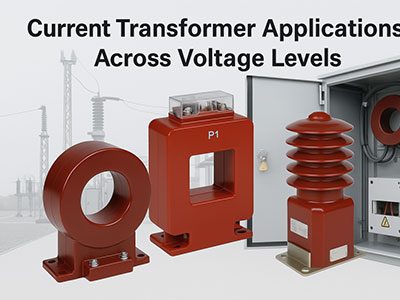
Outdoor CT
- Rated up to 10kV; used in outdoor substations and transmission lines.
Key Specifications:
When selecting a current transformer for the region, prioritize:
- Ratio: 50/5A to 5000/5A (standard for UAE, KSA, Kuwait)
- Accuracy Class: 0.2S for billing, 0.5 for general measurement, 5P10/10P20 for protection
- Insulation: Epoxy (indoor), (outdoor)
- Standards: IEC 61869-1, IEC 61869-2 (widely accepted in the Middle East)
- Burden (VA Rating): Matches connected meters/relays
- Climate Rating: Suitable for 50°C+ ambient temperatures(GCC standard)
Why Current Transformers Matter in the Middle East
- Power Grid Expansion: Align with Saudi Vision 2030, UAE’s Barakah nuclear plant, and Egypt’s new capital projects
- Oil & Gas Industry: Critical for safe operation in refineries and petrochemical plants
- Desalination & Infrastructure: Supports large-scale water and energy projects
- Billing Accuracy: Ensures fair energy metering for utilities and consumers
- Grid Safety: Prevents blackouts and equipment damage in high-demand environments
FAQ (Common in Middle East Markets)
- What does 100/5A mean on a CT?
A 100/5A CT converts 100A primary current to 5A secondary current (20:1 ratio).
- Can I use indoor CT outdoors?
No—outdoor CTs have weatherproof insulation to resist sand, heat, and moisture.
- What accuracy class is best for electricity billing?0.2S or 0.5S
high-precision for commercial/utility metering.
- Are split-core CTs reliable for industrial use?
Yes—they offer easy installation and maintenance, ideal for retrofits.
- Do you supply CTs compliant with IEC standards?
All our CTs meet IEC 61869 and GCC quality requirements.
Conclusion
A current transformer is far more than a component—it is the backbone of safe, accurate, and efficient power systems . Whether for 11kV switchgear , or industrial measurement choosing the right CT (by voltage, type, purpose, and environment) ensures long-term performance in extreme conditions.
Need a tailored CT solution for your Middle East project?
Contact us for custom ratios, accuracy classes, and outdoor/indoor designs certified for GCC, IEC, and local standards.
0 Comments